Columbus Water Damage Restoration Hub — OH
Active leak or flood in Columbus? Certified crews reach your door in 35 minutes on average. Most HO-3 policies cover sudden losses — you pay your deductible, we bill the carrier.
Columbus water damage risk — According to FEMA flood mapping data, Columbus falls within Zone AE/X mixed — meaning Special Flood Hazard Area with elevated NFIP flood insurance requirements. Franklin County climate data (39.4" annual rainfall, 68 freeze days per year) drives seasonal basement flooding, sump pump failures, and winter pipe bursts. With median home values near $243,100 in Columbus, a single unaddressed water intrusion threatens both livability and resale value. In Franklin County, 1,104 residential construction and repair permits were filed in the last 12 months — reflecting one of the region's more active home repair markets. Homes averaging 55 years old in Columbus face elevated plumbing and foundation drainage failure rates. A single unaddressed water damage incident in Columbus can result in $2,400–$5,500 in structural losses — often preventable with rapid IICRC extraction within 24 hours.
Select a service below for 24/7 dispatch, ZIP-level response times, and insurance coordination through our IICRC-certified partner network.
Each card links to a dedicated Columbus guide with local response times, ZIP coverage, and insurance help. For active flooding, call the 24/7 line in the header or the sticky call bar on mobile.

Emergency extraction, structural drying, and rebuild coordination — primary service for Columbus.
Water Damage Restoration in Columbus →
Sump failure, hydrostatic pressure, and spring thaw basement floods.
Flooded Basement Cleanup in Columbus →
Winter pipe bursts and freeze-thaw damage response.
Frozen & Burst Pipe Damage in Columbus →
IICRC S520 containment, removal, and clearance testing.
Mold Remediation in Columbus →
Stachybotrys containment, HEPA filtration, and clearance testing.
Black Mold Removal in Columbus →
Visual assessment, air sampling, and pre-remediation clearance.
Mold Inspection & Testing in Columbus →
Category 3 black water — biohazard protocols and disinfection.
Sewage Backup Cleanup in Columbus →
Priority dispatch for active flooding and active leaks.
24-Hour Emergency Water Damage in Columbus →
Board-up, soot removal, and firefighting water damage.
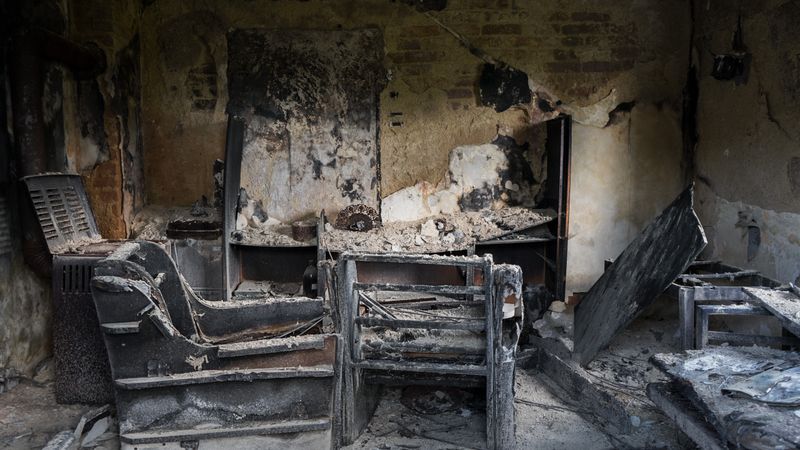
Fire & Smoke Restoration in Columbus →
Soot, odor neutralization, and HVAC contamination after fire.
Smoke Damage Cleanup in Columbus →
Basement extraction after pump failure during heavy rain.
Sump Pump Failure in Columbus →
Wind-driven rain, roof penetration, and emergency tarping.
Storm Water Damage in Columbus →
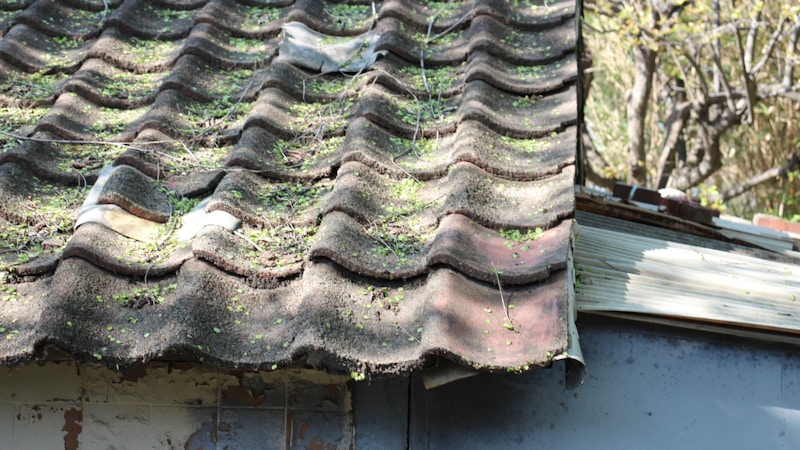
Shingle failure, flashing leaks, and ceiling intrusion.
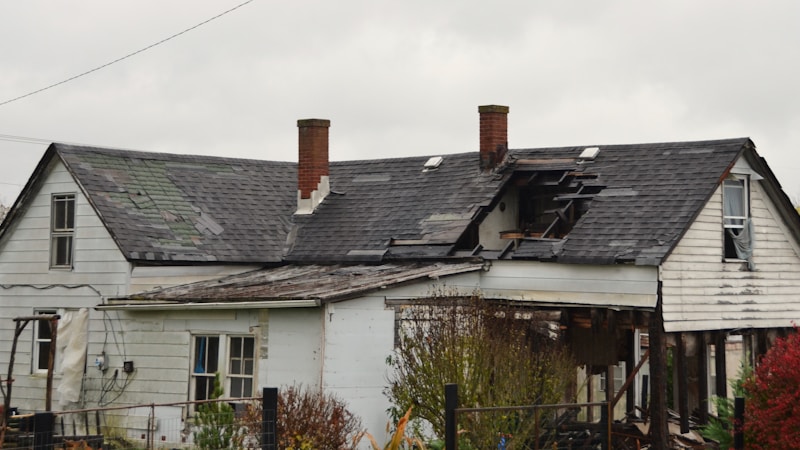
Roof Leak Water Damage in Columbus →
Wet drywall, multi-floor wicking, and collapse risk.
Ceiling Water Damage in Columbus →
Standing water, vapor barrier failure, and subfloor mold risk.
Crawl Space Water Damage in Columbus →
Washing machine, water heater, and dishwasher failures.
Appliance Water Damage in Columbus →
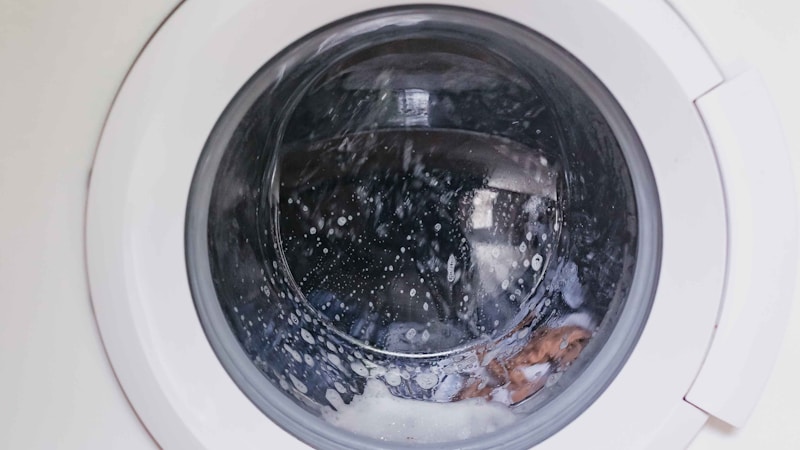
Supply hose bursts and second-floor laundry floods.
Washing Machine Flood in Columbus →
Office, retail, and rental property emergency response.
Commercial Water Damage in Columbus →
HO-3 claims, documentation, and carrier coordination.
Water Damage Insurance Claims in Columbus →
Local price ranges and insurance deductible guidance.
Restoration Cost Guide in Columbus →
Attic ice dam intrusion and winter roof leaks.
Ice Dam Damage in Columbus →For active flooding, call the 24/7 line or start with water damage restoration in Columbus.
Representative overview of dispatch, extraction, drying, and insurance documentation — the same IICRC S500 workflow used on every service page in this metro.
County-specific facts for Columbus homeowners — FEMA flood history, climate risk, typical restoration costs, and what to expect when you call for help.
| Service area | Columbus and Franklin County — ZIP 43201, 43202 · 43201–43235 (30 ZIP codes) |
|---|---|
| NFIP flood claims (primary ZIP) | 3847 FEMA flood claims since 2000 (avg $4,912) |
| FEMA flood zone designation | AE/X mixed |
| Median home value | $243,100 (Franklin County ACS estimate) |
| Climate risk profile | 39.40" annual rainfall · 68 freeze days/year · Scioto River flood influence |
| Typical moderate restoration cost | $2,400–$5,500 (Franklin County market data) |
| Housing stock | 1950s-1990s diverse urban development homes · avg 55 years |
| Water utility shutoff | Columbus Division of Water · emergency 614-645-8276 |
| Nearest fire station | Columbus Fire Station 1 (0.5 mi) |
| Priority dispatch | 35-minute average response · 24/7/365 |
| Insurance coordination | Erie Insurance, State Farm — direct billing available |
ZIP codes we serve in Columbus: 30 total
Map shows Columbus metro center; surrounding suburbs are listed below.
Homeowners in Columbus should know these contacts during an active water loss — shut off the main, then call for IICRC extraction.
Emergency line: 614-645-8276 — shut off the main before standing water spreads.
Call utility emergency line →0.5 miles from metro center — call 911 for active flooding with structural risk.
Call 911 →1.2 miles — for injuries during a water loss.
Open in Google Maps →Licensed permits required for restoration work above $1,000.
County building department →Verify your property flood zone and NFIP status before or after a loss.
View FEMA flood maps →What to expect from a licensed local partner versus a national franchise call center.
Select your community below for local response times, ZIP coverage, and emergency water damage resources. Each area links to dedicated guides for floods, burst pipes, mold, and insurance help near Columbus.
Serving Franklin County and surrounding Ohio communities through licensed, insured restoration partners.
Broad Columbus questions answered here; service-specific FAQs live on each linked guide above.
Our Columbus coordination hub covers emergency water extraction, basement floods, burst pipes, mold remediation, sewage backup, fire and smoke restoration, storm damage, and insurance claim support. Each service has a dedicated local page with Franklin County pricing and response data.
Priority dispatch to Columbus averages 35 minutes from first call, 24 hours a day. Active flooding should begin professional mitigation immediately — Ohio homeowners have a duty to mitigate under most HO-3 policies.
Sudden and accidental water damage (burst pipes, appliance failures, storm intrusion) is typically covered under standard homeowner policies in Ohio. Gradual leaks, neglected maintenance, and groundwater flooding often are not. We document losses for major Ohio carriers and coordinate direct billing.
Columbus faces seasonal risks from 68+ freeze days annually, spring thaw, and local watershed influence. NFIP data shows 3847 flood claims in the primary service ZIP — each event increases mold risk within 24–48 hours if drying is delayed.
We coordinate IICRC-certified restoration throughout the Columbus metro — including surrounding communities in Franklin County and adjacent counties. Use the service area index on this page for suburb-specific response times and local risk factors.
Moderate water damage in Columbus typically runs $2,400–$5,500 before mold or structural repairs. Most sudden losses are covered under HO-3 policies after your deductible.
Professional structural drying in Columbus usually takes 3–5 days for clean water losses and longer for Category 3 sewage. Mold risk begins within 24–48 hours — extraction and dehumidification should start the same day you call.
Sudden and accidental pipe bursts are typically covered under standard Ohio HO-3 policies. Gradual leaks and neglected maintenance are often excluded. We document moisture readings and scope for your adjuster.
Shut off water at the main if safe, avoid electrical hazards in standing water, move valuables, and call for professional extraction. Do not wait for visible mold — Columbus humidity accelerates growth within 48 hours.
Yes — we coordinate documentation and direct billing with major Ohio carriers including Erie Insurance and State Farm. You pay your deductible; we bill the carrier for covered mitigation.
Mold can begin within 24–48 hours of untreated water in Franklin County homes. Hidden mold behind drywall and under flooring requires IICRC S520 containment — not bleach surface treatment alone.
Partner crews follow IICRC S500 water restoration and S520 mold remediation standards with documented moisture logs, daily drying readings, and carrier-ready scopes for Columbus properties.